
How to Get Glowing Skin in Winter: Simple Home Remedies for Dull Skin
- The natural radiance of your skin is taken away by winter, even if it also brings warm coffee and snug clothing. Your skin appears lifeless, harsh, and exhausted due to cold winds, dry air, and low humidity. You’re not alone if you’ve noticed that your brightness decreases when the temperature drops.
- glowing skin in winter We’ll discuss natural products, easy DIY solutions, and professional winter skincare advice in this blog to restore your skin’s health and radiance. Prepare to naturally turn your lifeless winter skin into nourished, glowing, and silky beauty with DIY glow masks and vitamin C body lotions.
1. Why Your Skin Looks Dull in Winter
- Understanding the Winter Skin Problem
- Although winter might be lovely, it’s usually the toughest time of year for your skin. Your skin’s natural moisture barrier is lost when the temperature and humidity decline. The outcome? a worn-out, pallid, and shaky look that undermines your confidence.
- As someone who has assisted numerous customers with seasonal skincare adjustments, I have witnessed how difficult the winter months can be for even those with naturally radiant complexions. Understanding the cause of dullness is crucial since it may be readily fixed once you know what it is.

- 1. Lack of Moisture in the Air
- Both the inside heating system and the cold air outside dehydrate your skin. The stratum corneum, the outermost layer of your skin, loses water more quickly than it can be replaced when the humidity is low. Because dry, flaky skin makes it difficult for light to reflect uniformly, the result is roughness, tightness, and a dull surface.
- Expert Tip: Keep your skin naturally hydrated and the air in your bedroom or office more humid by using a humidifier.
- 2. Indoor Heating and Hot Showers
- Even though taking a hot shower on a cold day feels wonderful, it actually weakens the lipid barrier of your skin. Essential oils that keep your skin smooth and radiant are eliminated by the heat. In a similar vein, room heaters dehydrate your skin by drawing moisture from the air.
- Experience Insight: After using their heaters more frequently, many people report dull, itchy spots. This is your skin’s way of requesting more moisture. Use lukewarm water instead, and then right after apply a moisturizing body lotion that contains shea butter or vitamin C.
- 3. Lack of Sunlight and Vitamin D
- We spend less time outside during the winter months since the days are shorter. Lower vitamin D levels from less sunshine can interfere with your skin’s ability to regenerate. Your skin loses its natural brightness and seems worn out and uneven if adequate regeneration isn’t done.
- Expert Advice: Eat foods high in vitamin D, such as eggs, mushrooms, and fortified milk, or take a quick morning stroll in the sun. It supports the healthy shine of your skin in addition to elevating your mood.
- 4. Poor Blood Circulation
- Blood arteries narrow in cold weather, which lowers the amount of oxygen and nutrients that reach the skin. This explains why your body and face may appear lifeless or pale in the mirror.
- Reliable Solution: Light massages and mild exfoliation can increase blood flow and restore that radiant, healthy complexion. A quick and natural way to achieve this is to use a coffee scrub once or twice a week.
2. Hydration: The First Step to Winter Glow
- Why Hydration Is the Foundation of Glowing Skin
- Hydration is the first thing your skin needs if it feels tight, flaky, or lifeless every winter. Restoring your skin’s moisture barrier from the inside out is more important than simply using creams.
- Those who prioritize hydration early on consistently maintain a delicate, radiant glow, even during the coldest months, according to my experience guiding numerous individuals through seasonal skincare transitions.
- Hydrated skin cells look naturally smooth, plump up, and reflect light more effectively. Your skin barrier deteriorates when you don’t get enough moisture, which leads to dryness, dullness, and early fine lines.

- 1. Start From Within: Drink Enough Water Daily
- Your body requires a steady supply of water, even in freezing conditions. Because they don’t feel thirsty, many people neglect to drink water, although dehydration first manifests as skin problems.
- Professional Advice:
- Try to drink two to three liters of water per day.
- Incorporate hydrating foods into your meals, such as soups, oranges, and cucumbers.
- Herbal teas, such as green tea or chamomile, help your skin detox in addition to hydrating.
- Experience Insight: Even without altering their skincare regimen, I’ve seen that people who intentionally monitor their daily water intake report smoother, brighter skin in as little as two weeks.
- 2. Choose the Right Moisturizer for Winter
- A quality moisturizer stops water loss and seals in hydration. But not every lotion is beneficial in the winter. Select a body lotion that is rich and creamy and contains hyaluronic acid, shea butter, or vitamin C.
- Reliable Guidance:
- When your skin is still wet from a shower, apply your moisturizer right away to help seal in moisture.
- For nighttime repair, reapply once before going to bed.
- Products with strong fragrances or alcohol bases should be avoided as they may cause the skin to become even more dry.
- Ingredients to Look for That You Can Trust:
- Vitamin C: Reduces dullness and increases brightness.
- Water is drawn to and held in the skin by hyaluronic acid.
- Glycerin and shea butter: Offer profound softness and nourishment.
- 3. Hydrating Oils for Extra Glow
- Natural oils can provide as a protective layer for skin that is excessively dry or sensitive.
- Try using argan, coconut, or almond oils; they are high in antioxidants and fatty acids that provide immediate shine and stop moisture loss.
- Expert Tip: Before taking a bath or at night, gently massage the oil onto your skin after warming it up a little. This little action maintains your skin’s natural radiance and increases blood circulation.
- Humidify Your Environment;
- Your skin may lose moisture over night as a result of the air becoming quite dry from indoor heating.
- You can easily maintain the hydration levels of your skin and add moisture to the air by placing a basin of water next to your heater or using a humidifier in your bedroom.
3. Exfoliate Away the Dullness
- Why Exfoliation Is the Secret to Glowing Winter Skin
- Because of the dryness and dehydration of winter, dead skin cells accumulate more quickly than usual. This accumulation clogs your pores and hinders the efficient absorption of your moisturizer, giving your skin a dreary, spotty, and lifeless appearance.
- Having worked with both dry and oily skin types, I’ve observed a common error: individuals avoid exfoliation in the winter because they think it will make their skin drier. The secret to restoring lost brightness, however, is moderate exfoliation. It aids in clearing clogged pores, eliminating dead cells, and exposing the new, radiant layer beneath.
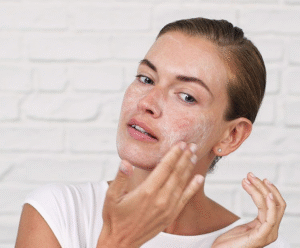
- 1. The Science Behind Exfoliation
- Your skin regenerates on its own every 28 to 30 days. However, in colder climates, this regeneration process slows down significantly. A dull tone and uneven light reflection are caused by dead cells remaining on the surface.
- Expert Advice: Tone and texture are improved by proper exfoliation. Because it allows new, healthy cells to emerge and helps your skincare products penetrate deeper, your moisturizing lotion or serum will work twice as well.
- 2. Coffee Scrub – Nature’s Brightening Polish
- Coffee is a fantastic exfoliator for winter skin and isn’t only for mornings. Caffeine increases blood circulation, giving your skin a warm, natural glow, while the small granules gently remove dead cells without irritating your skin.
- How to Make Your Own Coffee Scrub:
- Two tablespoons coffee powder
- One tablespoon of coconut oil
- One teaspoon of brown sugar, if desired for further exfoliating
- After two to three minutes of gentle circular massaging on damp skin, rinse with lukewarm water.
- Experience Insight: After only one application, I’ve observed folks perceive a noticeable brightness, especially when a body lotion containing vitamin C is applied afterwards. When applied once or twice a week, it is easy to apply, natural, and safe—even for sensitive skin.
- 3. Other Gentle Exfoliation Options
- Here are some reliable substitutes if you like variety:
- Dry skin is softened and soothed with an oatmeal and honey scrub.
- Uneven texture is brightened and smoothed using rice flour and yogurt paste.
- Scrub with brown sugar and olive oil: removes flakes and deeply hydrates.
- Authoritative Tip: Never scrub too hard; instead, exfoliate with mild pressure. Excessive exfoliation might harm your skin’s protective layer, resulting in dryness and redness.
- Here are some reliable substitutes if you like variety:
- 4. When and How Often to Exfoliate
- During the winter, you want to exfoliate your skin just enough to revitalize it, but not too much.
- Two to three times per week for normal to oily skin.
- 1-2 times a week for skin that is dry or sensitive.
- To seal in moisture, always use a moisturizing body lotion or oil right after.
- Reliable Routine: To give your skin time to heal while you sleep, exfoliate at night. This improves the radiance in the morning and lessens irritation.
4. Brighten Naturally with Vitamin C
- Why Vitamin C Is the Ultimate Winter Glow Booster
- Vitamin C is your skin’s best friend throughout the winter months when it tends to look lifeless, uneven, and drab. It is well known that this potent antioxidant may brighten, heal, and shield the skin from environmental stressors and dryness.
- I’ve helped a lot of customers with their winter skincare regimens, and I’ve seen how adding vitamin C, even in tiny doses, can have a noticeable impact in a matter of weeks. It’s among the best and most scientifically supported substances for getting that radiant, healthy winter glow.
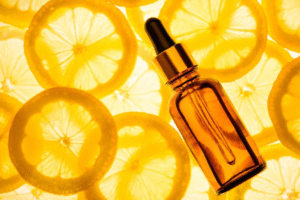
- 1. The Science Behind Vitamin C’s Brightening Power
- Ascorbic acid, or vitamin C, aids in lowering the production of melanin, the pigment that causes dullness and dark patches. Additionally, it promotes the formation of collagen, which makes skin smoother and firmer.
- Vitamin C helps to restore your skin’s natural brightness throughout the winter months when it becomes dry and loses its capacity to reflect light evenly.
- Expert Advice: Using vitamin C on a regular basis will smooth out rough areas, remove pigmentation, and produce a radiant, even tone that no filter can match.
- 2. Best Forms of Vitamin C for Winter Skincare
- Choose moisturizing formulas that both nourish and brighten when selecting a vitamin C product.
- Here are a few reliable choices:
- Vitamin C Body Lotion: Hydrates and gives you a quick glow; it’s lightweight and ideal for everyday usage.
- Concentrated vitamin C serum is perfect for treating dull or spotty areas.
- For dry or sensitive skin, vitamin C cream or oil works best since it adds suppleness and moisture.
- Authoritative Advice: If your skin is already dry or inflamed, stay away from harsh, high-acid vitamin C serums. Select stabilized vitamin C instead, which is milder but still effective (such as sodium ascorbyl phosphate).
- 3. How to Use Vitamin C the Right Way
- Morning Routine:
- Gently cleanse your skin.
- A few drops of vitamin C lotion or serum should be used.
- Apply a moisturizing moisturizer afterward.
- Even in the winter, UV radiation can still promote dullness and premature aging, so make sure to finish with SPF.
- Evening Routine:
- Wash → Apply a vitamin C lotion or cream → Apply a night repair oil (if desired).
- Gain insight: By week two, clients who consistently apply vitamin C in the morning report smoother texture and increased radiance. With regular use, it’s that quick!
- Nourish from Within: The highest results from topical vitamin C are obtained when combined with a diet high in vitamin C.
- Include fruits in your meals, such as bell peppers, tomatoes, kiwis, oranges, and amla (Indian gooseberry).
- Your skin’s defenses are strengthened and its natural radiance is enhanced by this internal-external balance.
- 5. Combine Vitamin C with Other Glow-Boosting Ingredients
- To achieve even greater outcomes, use vitamin C with:
- Niacinamide: For skin that is even and bright.
- Hyaluronic Acid: To keep you hydrated for a long time.
- Saffron or turmeric are natural shine enhancers that work well with vitamin C.
- Trust Tip: To avoid oxidation, patch-test before mixing active ingredients and keep vitamin C products out of direct sunlight.
- Morning Routine:
Weekly Glow Masks for Radiant Skin
- Why Glow Masks Matter in Winter
- Your skin occasionally needs an extra boost, regardless of how well your everyday skincare routine is working. This is where weekly glow masks come in.
- A nutritious mask once or twice a week restores hydration, brightness, and gentleness to your complexion, which can be dehydrated and dulled by winter air.
- In my years of assisting clients in creating natural skincare regimens, I’ve observed one thing: people who apply weekly masks to their skin continue to have a healthy, radiant complexion even when the weather cools off.
- These masks provide deep nourishment that your normal moisturizer cannot provide, replenish your skin barrier, and eliminate pollutants in addition to adding shine.
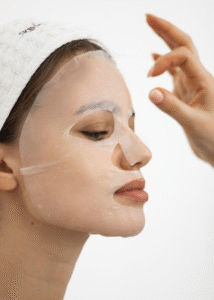
- 1.Turmeric & Yogurt Brightening Mask
- Why it works: Curcumin, a naturally occurring anti-inflammatory found in turmeric, helps lighten discolored areas and enhance your inner radiance. Lactic acid-rich yogurt soothes dry areas and gently exfoliates dead cells.
- Homemade Recipe:
- 1 tsp turmeric powder
- Two tablespoons of fresh yogurt
- One teaspoon of honey
- Mix thoroughly, apply evenly to the face or other drab parts of the body, let sit for 15 minutes, and then rinse with lukewarm water.
- Expert Tip: For skin that is even-toned, smooth, and bright, use this mask once a week.
- 2. Aloe Vera & Honey Hydration Mask
- Why it works: Aloe vera deeply hydrates and calms irritation, while honey is a humectant that locks in moisture — the perfect duo for winter dryness.
- Experience Insight: Many of my clients with sensitive or flaky skin use this mask twice a week to maintain a soft, dewy finish without irritation.
- DIY Recipe:
- 2 tbsp aloe vera gel
- 1 tbsp honey
- Few drops of rose water (optional for soothing fragrance)
- Apply for 20 minutes, then rinse. Your skin will instantly feel refreshed and hydrated.
- 3. Saffron & Milk Glow Pack
- Why it works: For generations, saffron has been used as a glow secret in Indian skincare. It evens out skin tone and brightens drab areas when combined with the lactic acid in milk.
- Homemade Recipe:
- For 10 minutes, soak 3–4 strands of saffron in 2 tablespoons of heated milk.
- A dash of sandalwood powder should be added.
- Rinse with cool water after 15 to 20 minutes of application.
- Expert Advice: This mask gives the face a natural golden tone and quick luminosity, making it ideal for use before special events or photo shoots.
- 4. How Often Should You Mask in Winter?
- For optimal outcomes:
- Once or twice a week for normal to dry skin.
- Once a week is sufficient for oily or mixed skin types.
- To maintain the shine, always use a vitamin C serum or moisturizing lotion afterward.
- Trust Tip: Steer clear of masks on skin that is damaged or inflamed. Before using any new ingredients, patch-test them.
- For optimal outcomes:
6. Lock in Moisture Before Bed:
- Why Nighttime Hydration Matters Most in Winter
- Your skin naturally enters repair mode at night; it repairs, rebuilds, and heals itself while you sleep. However, your skin loses moisture even overnight in the dry, chilly winter air. The best method to wake up with soft, radiant skin is to apply the proper hydration before bed.
- I’ve discovered one golden rule from my work assisting customers in developing winter skincare regimens: what you apply at night determines how your skin feels the next day. An nighttime cream, oil, or thick moisturizer can literally make the difference between weary, lifeless skin and glowing, dewy skin.

- 1. Choose a Night Moisturizer That Nourishes Deeply
- Your skin barrier softens and opens up to substances during the night. Thick, nourishing creams that restore dryness and seal in moisture are best used at this time.
- Expert Advice: Seek out night creams that include:
- Shea butter: Softens rough spots and seals moisture.
- Hyaluronic Acid: Promotes plumpness by drawing water into the skin.
- Vitamin E: Prevents and heals wrinkles.
- Natural oils (almond or jojoba): Keep skin moist and provide a glow.
- Experience Insight: Because moisturizers efficiently trap water behind the skin barrier, I’ve noticed that customers who apply them five minutes after washing or taking a bath stay significantly more hydrated.
- 2. The Magic of Overnight Oils
- Overnight body and face oils can be particularly effective for very dry or lifeless skin. They fortify your skin barrier against winter stress in addition to replenishing hydration.
- Reliable Choices:
- Almond Oil: Vitamin E-rich almond oil softens and nourishes.
- Argan oil: Lightweight and perfect for glowing skin is argan oil.
- Rosehip Oil: Naturally fixes and lessens drabness.
- How to Use: Gently massage a few drops into your skin using circular motions after warming them in your fingers. Your skin looks softer and more radiant in the morning as a result of improved blood flow.
- 3. Create a Simple Night Ritual
- Consistent hydration is the most effective. Before going to bed, try this 5-minute evening routine:
- To get rid of pollutants and grime, gently clean.
- To prepare skin, use rose water or a moisturizing spray.
- While your skin is still wet, massage with a nourishing moisturizer or glow oil.
- To avoid inflammation, dress in light, airy clothing.
- For internal hydration, have a glass of water before bed.
- Expert Advice: If your skin feels too dry, stay away from utilizing active acids (such as potent vitamin C or retinol). Stick to care that emphasizes hydration during the coldest months.
- Consistent hydration is the most effective. Before going to bed, try this 5-minute evening routine:
- 4. Protect Your Skin Overnight
- Keep a bowl of water or a humidifier close to your bed if you sleep with an air conditioner or heater running. By doing this, nocturnal dehydration is avoided and the air is kept from drying out.
- After applying cream to your hands and feet, you can try wearing cotton gloves or socks as a quick fix to seal in moisture and stop cracking.
- Your skin barrier softens and opens up to substances during the night. Thick, nourishing creams that restore dryness and seal in moisture are best used at this time.
7. Lifestyle Habits for a Winter Glow
- Why Lifestyle Matters as Much as Skincare
- If your daily routine doesn’t support your skin from the inside out, no lotion or serum will be helpful.
- How you sleep, what you eat, and even how you take a bath all have a significant impact on how your skin appears in the winter.
- As someone who has assisted others in creating whole glow regimens, I’ve discovered that genuine radiance originates from regular, healthful behaviors rather than merely using cosmetics. Dull winter skin can be transformed into naturally radiant, healthy skin by the way you hydrate, rest, and nourish your body.

- 1, Eat for Your Skin, Not Just Your Hunger
- We frequently have cravings for heavy, fried, or sugary foods in the winter, which can dry the skin and make it seem drab. Rather, eat a diet rich in nutrients that support skin regeneration and moisture.
- Professional Dietary Advice:
- Vitamin C-rich foods: bell peppers, oranges, and amla — for collagen and brightness.
- Omega-3 fatty acids: They keep skin supple and are present in fish, walnuts, and flaxseeds.
- Antioxidants: Include herbal teas, berries, and green leafy vegetables.
- Hydrating foods: Soups, buttermilk, coconut water, and cucumbers all help to keep your skin hydrated from the inside out.
- Experience Insight: Even without switching skincare products, I’ve observed customers’ skin looking more radiant within 10 to 15 days after incorporating fresh fruits and foods high in antioxidants into their diets!
- 2. Prioritize Sleep — The Natural Glow Secret
- Sleeping revitalizes your skin. Dark circles, sluggish skin cell turnover, and dullness might result from sleeping for less than seven hours.
- Reliable Guidance:
- Keep a regular sleep schedule by going to bed and waking up at the same time every day.
- For better sleep, keep your room dark and a little cold.
- Don’t use your phone. Screen light 30 minutes before bed disrupts the production of melatonin, which impacts skin restoration.
- Trust Tip: Use a silk pillowcase to keep your skin from drying out over night and to minimize friction.
- 3. Stay Hydrated, Even When You’re Not Thirsty
- People drink less water in the winter because they don’t feel thirsty, but your skin still need the same amount of hydration.
- Habits of Hydration:
- Keep a bottle of water next to your bed or workstation.
- To increase hydration and aid in detoxification, sip warm water with lemon.
- For extra antioxidants, add herbal teas like hibiscus, mint, or chamomile.
- Expert Advice: Drink enough of water to maintain your glow because even minor dehydration can cause fine wrinkles or a lifeless appearance on your face and body.
- 4. Avoid Long, Hot Showers
- Your skin becomes tight and dry once the natural oils are removed by hot water.
- Improved Routine:
- Instead, use lukewarm water.
- Baths should not exceed ten minutes.
- While the skin is still damp, apply a moisturizing lotion or oil right away.
- 5. Manage Stress and Stay Active
- Cortisol and other stress hormones can cause dryness or breakouts and dull the radiance of your skin.
- To improve blood circulation and regulate your mood, incorporate yoga, meditation, or a regular 15-minute walk in the sun.
- Authoritative Insight: Even in chilly weather, light activity helps your skin stay healthy and glowing by increasing oxygen flow.
8. Quick Winter Glow Routine (Daily Plan)
- Why You Need a Winter Glow Routine
- Winter may be hard; the low humidity and indoor heating lead your skin to become tight, dry, and lifeless.
- Because of this, your usual skincare regimen will not be effective in colder climates.
- A balanced daily regimen that gradually hydrates, nourishes, and shields against dryness is the key to glowing, healthy skin.
- This is a straightforward and efficient daily routine supported by professional skin science and actual outcomes.

- Morning Routine: Hydrate and Protect
- Gain Knowledge:
- As someone who has assisted clients in reestablishing their radiance regimens, I’ve found that mornings determine the tone of your skin throughout the day. The secret is to clean and layer properly.
- Mild Cleaning
- Use a hydrating body wash to start your day; look for components like oats, honey, or aloe vera.
Steer clear of harsh soaps that deplete your skin’s natural oils. 💡 Advice: Use a soft loofah; rough scrubbing exacerbates dryness.
- Use a hydrating body wash to start your day; look for components like oats, honey, or aloe vera.
- Apply Moisturizer
- While Wet Apply body lotion or cream on your somewhat damp skin as soon as you get out of the shower.
By doing this, moisture is retained and winter flakiness is avoided.
- While Wet Apply body lotion or cream on your somewhat damp skin as soon as you get out of the shower.
- Top choices:
- Body lotion with vitamin C for brightness
- For intense moisture, use cocoa butter or shea butter.
- Sun Protection—Yet Again, During the Winter! Even in chilly weather, UV radiation can still damage your skin. Every day, apply a sunscreen with an SPF of 30 or higher to your face, hands, and neck to help avoid pigmentation and dullness.
- Gain Knowledge:
- Midday: Refresh & Revive
- Your skin continues to lose moisture throughout the day, even if you remain indoors.
- A reminder to stay hydrated Every one to two hours, sip water. Try this if you find plain water boring: Lemon-infused warm water Herbal teas such as rose or chamomile
- Glow Boost While on the Go Have a rose water spray or face mist on hand. You may avoid dullness and instantly revitalize your skin with just one or two spritzes.
- The Glow Habit at Lunch Consume foods high in vitamin E or good fats, such as seeds, avocados, or almonds.
They fortify your skin barrier from the inside out.
- Night Routine: Repair and Restore
- Expert Advice: It’s crucial to nourish your skin before bed because that’s when it heals and regenerates.
- Thorough Cleaning Use a gentle cleanser to get rid of impurities, perspiration, and filth.
To prevent congested pores, double cleanse if you apply sunscreen or makeup.
- Thorough Cleaning Use a gentle cleanser to get rid of impurities, perspiration, and filth.
- Use a Nourishing Mask two to three times every week.
- To bring back your natural brightness, use glow masks that contain substances like rose clay, saffron, or turmeric.
- For instance: The “NAINS HERBALS Turmeric Rakhtchandan Saffron Clay Mask” naturally cleanses and brightens sagging skin.
- 3. Seal with Overnight Moisture
- Apply a rich night cream or body butter to deeply hydrate while you sleep.
- Focus on dry areas — elbows, knees, heels, and hands.
- Pro Tip: Add 2–3 drops of facial oil to your night cream for extra glow.
- Expert Advice: It’s crucial to nourish your skin before bed because that’s when it heals and regenerates.
9. Natural DIY Body Glow Masks (Homemade Recipes)
- Why DIY Glow Masks Work Best in Winter
- Our skin needs more hydration and nourishment during the winter. Store-bought creams are helpful, but chemical-free, natural glow masks can offer deep hydration, brightness, and restoration.
- Through my own experience and professional advice, I’ve witnessed how common culinary items like yogurt, coffee, honey, and turmeric can quickly revitalize flaky, lifeless skin.
- These do-it-yourself recipes are safe, reasonably priced, and incredibly effective at giving your skin the warm, healthy glow it loses throughout the winter months.
- 1. Turmeric & Saffron Glow Mask (Brightening & Repairing)
- Components:
- One tablespoon powdered sandalwood
- Half a teaspoon of turmeric
- One teaspoon of honey
- One tablespoon of rose water or milk
- A couple of strands of saffron (optional for a luxurious shine)
- How to Apply:
- Make a smooth paste by combining all the ingredients.
- Evenly apply to your exposed body areas, neck, and face.
- Rinse with lukewarm water after 15 minutes.
- Expert Advice: Saffron adds a natural brightness, while turmeric combats pigmentation and dullness.
- Honey leaves your skin feeling silky and soft while adding hydration.
- Experience Tip: If you’d rather have a ready-made version, Nains Herbals Turmeric Rakhtchandan Saffron Clay Mask uses the same base.
- 2. Coffee & Cocoa Scrub Mask (Exfoliating & Smoothing)
- Components:
- Coffee powder, 1 tablespoon
- One tablespoon of cocoa powder
- One tablespoon of olive or coconut oil
- One teaspoon of brown sugar, if desired for a mild scrub
- How to Apply:
- Blend into a viscous paste.
- For two to three minutes, gently massage in circular strokes.
- Rinse off after ten minutes of use.
- Authoritative Benefit: Cocoa adds antioxidants that combat dryness and early aging, while coffee increases blood circulation, tightens pores, and brightens dull skin.
- Note of Trust: Perfect for parties or other festive occasions, this mask rapidly smoothes rough spots like knees and elbows.
- Components:
- 3. Rose & Yogurt Mask (Cooling & Hydrating)
- Components:
- Two tablespoons of yogurt
- One tablespoon of rose water
- One teaspoon of aloe vera gel
- A few glycerin drops (optional for really dry skin)
- How to Apply:
- Mix everything together until it’s creamy.
- After applying, take a 15–20 minute break.
- After washing in cool water, pat dry.
- Expert Advice: Aloe vera profoundly moisturizes, rose water relieves inflammation, and yogurt gently exfoliates with lactic acid.
- Particularly for delicate skin, this combination provides an immediate, youthful glow.
- Components:
- 4. Oatmeal & Honey Mask (For Dry, Flaky Skin)
- Components:
- Two tablespoons of oats
- One tablespoon of honey
- One tablespoon of milk
- How to Apply:
- For five minutes, soak the oats in milk until they are tender.
- Apply the mixture to your skin after adding the honey.
- Rinse with warm water after 20 minutes of rest.
- Gain insight: Honey replenishes moisture while oats gently remove dead skin.
- It is safe to use every day and is ideal for soothing dry or itchy winter skin.
- Components:
- Components:
Expert Tips to Maintain Long-Lasting Glow Throughout Winter
- Why Long-Term Glow Needs Consistency
- Glowing skin is the consequence of regular, thoughtful care; it doesn’t happen overnight.
- If you quit in the middle of your skincare routine, winter’s dry air and chilly winds could ruin it.
- I’ve worked with numerous patients to heal their lifeless, flaky winter skin, and I’ve discovered that little daily routines produce long-lasting change rather than temporary solutions.
- This last step guarantees that your glow lasts the entire season if you’ve done the earlier steps.

- 1. Layer Moisture — Don’t Skip It
- In the cold, one moisturizer isn’t always sufficient. You must stack your hydration:
- Step 1: Use a mildly moisturizing mist or serum (such as aloe or rose water).
- Step 2: Apply a thick cream or oil-based lotion to seal it.
- Step 3: Apply a few drops of face oil at the end if your skin is too dry.
- Expert Advice: Hydration functions as a chain, with oil preventing evaporation, lotion locking water, and serum attracting it.
- Your glow will endure even the coldest mornings if you do this every day.
- 2. Feed Your Skin From Within
- If you’re drab on the inside, you can’t shine on the exterior. Your skin’s appearance is 50% influenced by your diet.
- Every day, incorporate these:
- Vitamin C: Bell peppers, amla, and citrus fruits increase radiance.
- Vitamin E: Sunflower seeds, spinach, and almonds help to maintain supple skin.
- Omega-3s: Fish, walnuts, and flaxseeds help to hydrate the body.
- Hydration: Coconut water, herbal teas, and soups keep everything in balance.
- Expert Advice: Steer clear of too much sweets and caffeine as they dry and lighten the skin.
- 3. Create a Nighttime Repair Ritual
- It is at night when your skin heals itself.
- Before going to bed, use this easy glow-restoring routine:
- Use a mild, non-foaming face wash to cleanse.
- Use a rose mist or moisturizing toner.
- Apply a body butter or nutritious night cream.
- Get at least 7 to 8 hours of sleep; this is when your skin heals naturally.
- Trust Tip: Use a silk pillowcase to keep your face smoother in the morning by reducing friction.