
Scalp Serums: Do They Really Work or Cause Damage?
1. Introduction
- Scalp serums are becoming more popular in hair care.
- The worldwide hair care market has changed dramatically in the last ten years.
- Although shampoos, conditioners, and oils are still essentials, a brand-new product category called scalp serums has become quite popular.
- Scalp serums are intended to nourish and enhance the health of the scalp itself, as opposed to conventional serums that focus on the length and ends of the hair.
- The growing understanding that a healthy scalp is the foundation of healthy hair is a major factor in this increase.
- Experts in hair care, trichology, and dermatology stress that the scalp works similarly to the skin on our faces and has to be nourished, moisturized, and exfoliated in order to stay balanced and able to support healthy hair development.
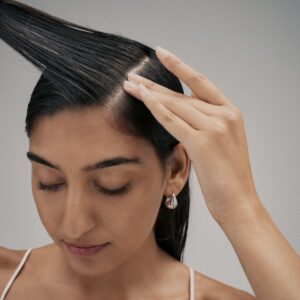
- This tendency has been accelerated by social media sites like YouTube, Instagram, and TikTok. Influencers and hair specialists frequently post their “scalp care routines,” endorsing serums that are enhanced with active ingredients including peptides, niacinamide, caffeine, rosemary extract, and hyaluronic acid.
- These ingredients are backed by scientific research for boosting circulation, balancing oil production, and strengthening hair follicles. Customers are consequently growing more proactive, concentrating on long-term scalp health rather than just cosmetic shine and smoothness.
- The market for scalp serums also reflects the general trend of consumers turning to hair care products influenced by skincare.
- Scalp serums promise answers to certain issues like dandruff, dryness, itching, thinning, or excessive oiliness, just as serums revolutionized skincare with their concentrated, targeted advantages.
- Scalp serums are currently one of the hair care products with the greatest rate of growth, according to market statistics, and both salon brands and clean beauty startups are making significant investments in this area.
- The trend suggests a more profound shift in the way people think about hair care—not as superficial beauty but as a whole system based on scalp health.
- Why People Are Confused Between Hair Serums and Scalp Serums
- Even though they are becoming more and more popular, scalp serums are frequently misinterpreted.
- Many customers continue to mistake them for ordinary hair serums, which results in improper application and erroneous expectations.
- The nomenclature is the source of this misunderstanding.
- A silicone-based treatment that coats the hair shaft to enhance shine, minimize frizz, and guard against heat damage was traditionally referred to as “hair serum.”
- These are never used on the scalp; they are only used on the lengths and ends.
- Although primarily cosmetic, their advantages are instantaneous.
- Conversely, lightweight, water- or oil-based formulas known as scalp serums provide nutrients to the scalp and follicles directly.
- They address issues at their source and are more therapeutic than cosmetic.
- While niacinamide controls excess sebum, a moisturizing serum containing hyaluronic acid relieves dryness and flaking. In contrast to hair serums, scalp serums are applied topically and frequently kept on the scalp overnight or as a leave-in treatment.
- Because both products utilize the phrase “serum,” there is still uncertainty.
- People may apply scalp serums incorrectly—coating the hair strands rather than the scalp—or expect immediate shine and frizz control, which is not what scalp serums are intended to give, if there is inadequate labeling or consumer education.
- Brands and professionals are now attempting to bridge this information gap by clarifying usage instructions and stressing the difference between cosmetic hair care and scalp-focused therapy.
2. What Are Scalp Serums?
- Lightweight, concentrated treatments called scalp serums are designed to immediately nourish and enhance the health of the scalp.
- Scalp serums are usually water-based or fast-absorbing oil blends that carry active chemicals directly to the hair follicles and scalp tissue, in contrast to oils, which can be greasy and challenging to wash out.
- By addressing the underlying causes of scalp and hair problems like thinning, dandruff, dryness, excessive oiliness, or irritation, they have a medicinal as well as cosmetic purpose.
- Consider scalp serums to be your head’s “skin serums.” Scalp serums are made with scientifically established chemicals like caffeine, niacinamide, peptides, and botanical extracts that promote growth, reduce inflammation, and restore balance, much like face serums do.
- These active ingredients can be used to treat wrinkles, pigmentation, or hydration.
- 2.1 Difference Between Hair Serum and Scalp Serum
- Confusion with conventional hair serums is one of the main causes of scalp serum abuse. Despite having similar names, the two goods have quite different functions:
- Hair Serum:
- Not for the scalp, but for the hair strands.
- For smoothness, luster, and frizz control, the hair shaft is coated with a silicone or oil-based substance.
- offers immediate aesthetic benefits without enhancing the health of the scalp or follicles.
- Never on the scalp; only on mid-lengths and ends.
- Serum for the scalp:
- intended for the hair follicles and scalp.
- Active chemicals that penetrate the skin are frequently blended with light or water-based oils.
- offers long-term therapeutic advantages like balancing oil production, lowering dandruff, and promoting hair growth.
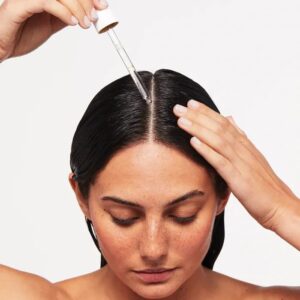
- applied using droppers or nozzles and rubbed into the scalp.
- To put it simply: While scalp serums are skincare products for your scalp, hair serums are cosmetics for your hair. One improves your hair’s appearance right away, while the other promotes healthy hair growth over time.
- This distinction is crucial because a lot of individuals erroneously believe that scalp serums would add shine or control frizz like hair serums do. They believe the product is worthless if they don’t experience immediate cosmetic results. Long-term outcomes depend on accurate expectations and continuous use, which is ensured by knowing the special function of scalp serums.
- 2.2 Key Ingredients Commonly Found in Scalp Serums
- The effectiveness of a scalp serum largely depends on its active ingredients, many of which are backed by clinical studies and dermatologist recommendations. Some of the most common and effective ingredients include:
- Vitamin B3, or niacinamide, helps control the production of sebum, fortifies the barrier that protects the scalp, and enhances the general health of the scalp. especially helpful for sensitive or greasy scalps.
- Caffeine: Known to promote stronger and better hair growth by increasing blood circulation in the scalp. Caffeine can reverse the effects of DHT, a hormone associated with hair thinning, according to research.
- Without blocking pores, hyaluronic acid relieves tightness and itching on a dry or flaky scalp by deeply hydrating it.
- Peptides: Promote collagen synthesis and fortify the structure surrounding hair roots to support follicle health.
- Botanical extracts (aloe vera, tea tree, and rosemary): aloe vera reduces inflammation and irritation, tea tree fights dandruff with its antibacterial qualities, and rosemary promotes growth and circulation.
- Salicylic Acid: A mild exfoliator that clears clogged follicles, eliminates dead skin cells, and lessens product accumulation or dandruff.
- Zinc and Biotin: Nutrients that promote keratin synthesis for stronger strands, balance oil levels in the scalp, and lessen flakiness.
- Usually, a mix of these components is used to create each scalp serum, which is designed to address particular issues. For instance, a serum for dandruff would emphasize salicylic acid and tea tree oil, while one for hair loss might emphasize peptides and caffeine.
3. Benefits of Applying Serum on the Scalp
- Scalp serums are a scientifically supported method of promoting holistic hair health, not just another fad in beauty. These serums address root-level problems that shampoos and conditioners frequently fail to address by delivering specific active ingredients straight to the scalp. In contrast to short-term solutions, scalp serums gradually strengthen follicles, restore equilibrium, and enhance hair quality. Let’s examine the main advantages in more detail:
- 3.1 Boosting Hair Growth with Active Ingredients
- The capacity of scalp serums to promote healthy hair development is one of the main reasons people use them. Clinically studied components like caffeine, redensyl, peptides, and rosemary extract are added to the majority of scalp serums.
- In order to ensure that hair follicles receive a consistent supply of oxygen and nutrients, caffeine enters the scalp and stimulates blood circulation.
- Additionally, research indicates that caffeine helps combat the hormone dihydrotestosterone (DHT), which causes hair loss in both men and women.
- Redensyl and peptides promote follicle regeneration, assisting dormant follicles in reentering the growth phase.
- Studies have shown that rosemary extract, a natural substitute, is just as efficient at promoting growth as minoxidil, a common therapy for hair restoration.
- The capacity of scalp serums to promote healthy hair development is one of the main reasons people use them. Clinically studied components like caffeine, redensyl, peptides, and rosemary extract are added to the majority of scalp serums.
- 3.2 Hydrating Dry & Itchy Scalp
- Similar to the skin on your face, excessive use of styling products, harsh shampoos, and environmental pollution can cause the scalp to become dry. Frequent symptoms of a dry scalp include itching, stiffness, and sometimes flaking. Hyaluronic acid, aloe vera, and panthenol-infused scalp serums work as rapid hydrators, retaining moisture without leaving a greasy afterglow.
- Hyaluronic acid soothes dryness and provides deep hydration by retaining up to 1,000 times its weight in water.
- While reestablishing a healthy scalp barrier, aloe vera and panthenol soothe irritation.
- In addition to easing discomfort, this hydration fosters the ideal conditions for hair follicle growth. Long-term, better hair development results from a scalp that is well-hydrated because it is less vulnerable to inflammation and injury.
- 3.3 Controlling Dandruff and Flakiness
- Common problems like dandruff and flaky scalps might be brought on by product accumulation, excessive sebum, or fungal growth. These issues can be successfully addressed with the use of scalp serums made with zinc, salicylic acid, and tea tree oil.
- Tea tree oil reduces the yeast activity that causes dandruff and has antibacterial and antifungal qualities.
- Salicylic acid unclogs follicles and removes dead skin cells from the scalp in a gentle exfoliation.
- By controlling sebum production, zinc PCA helps avoid excessive oiliness, which frequently leads to dandruff.
- In contrast to harsh anti-dandruff shampoos that can occasionally peel the scalp, serums offer a mild yet effective method. Frequent use keeps the scalp clean and revitalized while restoring equilibrium and minimizing flakes and itching.
- 3.4 Strengthening Hair from the Roots
- The follicle is the starting point of strong hair. Scalp serums strengthen the base of each strand by delivering nutrients like niacinamide, biotin, peptides, and antioxidants straight to the roots.
- By strengthening the scalp barrier and enhancing blood circulation, niacinamide (Vitamin B3) ensures that hair grows in a healthier environment.
- Peptides and biotin increase the synthesis of keratin, which makes hair strands thicker, stronger, and less likely to break.
- Follicles are shielded from oxidative stress brought on by pollution and ultraviolet light by antioxidants such as vitamin E and green tea extract.
- Scalp serums assist lessen hair breakage and loss by focusing on the roots, giving hair a noticeable fuller and more durable appearance. Users experience a general improvement in scalp health and comfort over time, in addition to thicker strands.
- The follicle is the starting point of strong hair. Scalp serums strengthen the base of each strand by delivering nutrients like niacinamide, biotin, peptides, and antioxidants straight to the roots.
4. Potential Risks of Using Scalp Serums
- While scalp serums offer numerous benefits, they are not completely risk-free. Like any concentrated treatment, their effectiveness depends on correct usage, ingredient compatibility, and hair type. Misuse, overuse, or choosing the wrong product can sometimes create more problems than solutions. Understanding the potential risks ensures you get the benefits without compromising scalp health.
- 4.1 Product Buildup and Greasiness
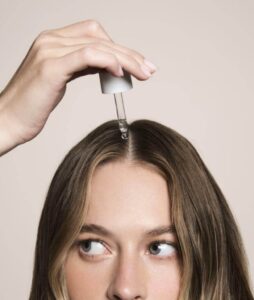
- Product accumulation is among the most frequent problems consumers encounter. Although many scalp serums are designed to be lightweight, they can build up on the scalp if used excessively or too regularly. This accumulation may obstruct hair follicles, retain oil and debris, and disrupt normal scalp processes.
- Greasiness: Nutritious oils like castor or argan oil are present in some serums. In moderation, they can be helpful, but if you use them frequently or in large amounts, your hair may feel heavy and your scalp may appear flat and oily.
- Clogged follicles: Using too much product, particularly when combined with perspiration, sebum, or style sprays, can clog follicles, which may cause irritation, itching, or even hair loss.
- 4.2 Scalp Irritation and Sensitivity
- Irritation is another possible side effect of scalp serums, particularly for people with sensitive skin or diseases like psoriasis and eczema. If the skin barrier is weakened, scalp serums may cause redness, irritation, or a burning feeling because they frequently include active substances in higher concentrations.
- Strong actives: If used excessively, ingredients like menthol, tea tree oil, or salicylic acid may be too harsh for sensitive scalps.
- Essential oils: Although they are natural, oils like lavender, peppermint, and rosemary can occasionally result in contact dermatitis or allergic reactions.
- Alcohol-based serums: Although some formulae utilize alcohol to speed up absorption, this might exacerbate irritation and dry up the scalp.
5. How to Apply Scalp Serum the Right Way
- When administered incorrectly, even the best scalp serum will not produce the desired effects. Technique, dosage, and time are critical factors in the success of these formulations because they are made to penetrate the scalp and target hair follicles. Inappropriate use may result in product waste, accumulation, or uneven outcomes. Here is a helpful advice on how to use scalp serums correctly to get the most advantages.
- 5.1 Step-by-Step Application Guide
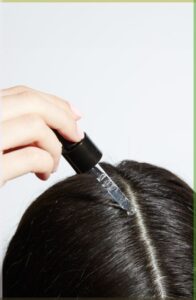
- Following the right regimen guarantees that the serum gets to the scalp rather than remaining on the hair strands. Take these actions:
- Start with a clean scalp: Use serum on a scalp that has just been washed or is at the very least free of products. This avoids accumulation and permits optimal absorption.
- Divide your hair into three or four pieces using a comb or your fingers. This guarantees uniform scalp coverage.
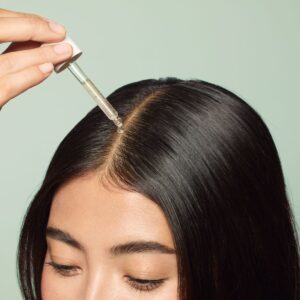
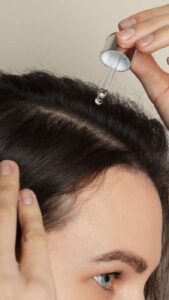
- Apply drops straight to the scalp: Using the dropper, apply two to four drops (or as instructed) directly to the scalp, focusing on trouble places such dry zones, dandruff patches, or thinning spots.
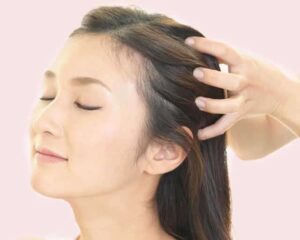
- For two to three minutes, softly massage in circular motions with your fingertips. This promotes blood circulation and equally distributes the serum.
- The majority of scalp serums are leave-in treatments, meaning they will continue to function until your next wash. Avoid rinsing. Washing right away will make it less effective.
- Style normally: You can carry on with your usual styling regimen after the serum has had time to soak.
- Advice: Don’t use serum in place of hair oil. Instead of covering the hair strands, the aim is to feed the scalp.
- 5.2 How Much Serum Should You Use?
- Using too much serum is one of the most frequent errors. Scalp serums, in contrast to hair oils, are concentrated and intended to be used in tiny amounts. Excessive application might result in buildup and greasiness in addition to wasting product.
- As a general rule, apply two to four drops to each part of the scalp.
- Apply one or two drops straight to areas that are flaky or thinning for spot therapy.
- For complete coverage: Always adhere to the brand’s directions, even though some serums may suggest up to a dropperful.
- Keep in mind: Less is more when it comes to scalp serums. Quantity is not nearly as crucial as consistency. It is best to use a small amount every day or every other day than to occasionally overdo.
- Using too much serum is one of the most frequent errors. Scalp serums, in contrast to hair oils, are concentrated and intended to be used in tiny amounts. Excessive application might result in buildup and greasiness in addition to wasting product.
- 5.3 Best Time to Apply Scalp Serum – Day vs. Night
- While both day and nighttime applications offer advantages in terms of scheduling, nighttime applications are frequently thought to be more successful.
- Use during the day: If the serum is light and non-greasy, it will work nicely. Perfect for people who want to eat throughout the day but have hectic schedules. However, efficacy may be diminished by exposure to sweat, pollutants, or UV radiation.
- Many dermatologists advise using at night because the scalp heals itself during the night. Applying the serum before bed allows it to penetrate thoroughly for several hours without being disturbed by outside factors. Additionally, using it at night prevents greasy-looking hair during the day.
6. Who Should Use Scalp Serums?
- There is no one-size-fits-all solution for scalp serums. The state of your scalp, your hair concerns, and your general routine will all determine whether or not you should employ one of these highly specialized treatments. Although adding a serum to a routine helps a lot of people, there are several circumstances in which scalp serums might not be the ideal option. Let’s dissect it:
- 6.1 People with Hair Fall and Thinning Issues
- Hair loss and thinning are two of the most frequent causes for utilizing a scalp serum. A scalp serum might be helpful if you see extra hairs on your shower drain, pillow, or comb.
- Growth-stimulating: Serums containing redensyl, peptides, caffeine, or rosemary extract aid in follicle stimulation, enhance blood flow, and prolong the anagen (hair growth) phase.
- Reducing breakage: Serums containing niacinamide and biotin fortify hair from the ground up, strengthening and fortifying individual strands.
- Follicle protection: Serums high in antioxidants guard against oxidative stress brought on by pollutants, UV radiation, and lifestyle choices.
- Here, consistency is essential. Using a growth-focused serum on a regular basis for 8–12 weeks will help reduce shedding and promote denser regrowth, even if you won’t see effects right away.
- 6.2 Those Suffering from Dry or Itchy Scalp
- An imbalance in sebum production or hydration is frequently indicated by a dry, flaky, or itchy scalp. This problem is specifically addressed by scalp serums that contain calming and hydrating active ingredients.
- Hydration: Components like panthenol and hyaluronic acid ease tightness and restore moisture.
- Calming relief: Chamomile, oat extract, and aloe vera reduce inflammation and itching.
- Repair of the barrier: Niacinamide fortifies the scalp’s protective layer, averting further dryness.
- Serums provide long-lasting relief by penetrating deeper into the scalp without being greasy, in contrast to oils that could just sit on the surface. Hydrating scalp serums are especially beneficial for people who routinely use harsh shampoos or live in arid conditions.
- 6.3 When to Avoid Scalp Serums
- Although most people can safely use scalp serums, there are several circumstances in which vigilance—or outright avoidance—is required.
- Extremely sensitive scalps: Potent active ingredients like salicylic acid, tea tree oil, or menthol may exacerbate irritation if you have dermatitis, psoriasis, or eczema. Before using in these situations, speak with a dermatologist.
- Excessively greasy scalps: Using rich or oily serums can make the scalp greasier and cause accumulation. If necessary, opt to water-based, lightweight solutions instead.
- Allergy tendencies: Certain essential oils, such as lavender, rosemary, and peppermint, can occasionally cause allergic reactions. Before using a new serum, always perform a patch test.
7. Expert Tips for Safe & Effective Use
- When applied correctly, scalp serums are potent, concentrated treatments that can completely change your hair care regimen. However, like with any product containing active substances, its advantages rely on regular and safe use. Although scalp serums are useful, dermatologists and trichologists stress that for optimal effects, they should be properly selected, evaluated before frequent usage, and paired with a generally healthy regimen.
- 7.1 Always Check Ingredients Before Applying
- The chemicals in different scalp serums have a significant impact on how effective they are. Dermatologists advise carefully examining the label before using any new product.
- For thinning and hair loss, look for serums that contain redensyl, peptides, caffeine, or rosemary extract. Clinical research is being done on them to increase density and stimulate follicles.
- For dandruff or oily scalp: Choose serums with tea tree oil, salicylic acid, or zinc PCA, which reduce fungal development and balance sebum.
- Choose moisturizing actives such as hyaluronic acid, aloe vera, niacinamide, or panthenol for a dry, itchy scalp.
- Avoiding substances that aren’t suitable for your scalp type is equally crucial. For instance, alcohol-based serums can aggravate dryness, while heavy oil-based serums may not perform well for greasy scalps.
- 7.2 Patch Test to Avoid Allergic Reactions
- A serum may not be suitable for everyone, even if it contains active ingredients that dermatologists have authorized. Due to the sensitivity of the scalp skin, some essential oils or potent active ingredients may cause burning, itching, or redness. Experts emphasize the significance of conducting a patch test before to beginning regular use because of this.
- How to accomplish it:
- Put a drop of the serum on your inner arm or behind your ears.
- Leave it unwashed for a full day.
- It is usually harmless for your scalp as long as there is no irritation.
- Stop using it right away if you feel red, burning, or itchy. If you have a history of psoriasis, eczema, or allergies, a patch test is very important. Taking this modest step will save you from bigger scalp problems later.
- 7.3 Combine with a Healthy Hair Care Routine
- Experts stress that a scalp serum must be a component of a comprehensive regimen in order to address all of your hair issues. Among the helpful techniques are:
- Gentle cleansing: To avoid product buildup and preserve the health of your scalp, use a shampoo without sulfates.
- Balanced hydration: Prevent dryness by conditioning hair lengths, but do not over-condition the scalp.
- Diet and lifestyle: Consume foods high in protein, take vitamins (iron, vitamin D, and biotin), and drink enough of water. Even the greatest serum might be compromised by poor nutrition.
- Scalp massage: Increasing circulation with massage while using serum improves absorption and stimulates follicles.
- Consistency: Regular usage of serums usually yields benefits after 8–12 weeks; they are not quick solutions.
- You may create an environment where your scalp and hair can genuinely thrive by combining the usage of serum with healthy behaviors.
FAQS
1. Can I apply hair serum on my scalp?
No. Hair serums are designed for the hair strands, not the scalp. Applying them to the scalp can cause greasiness and buildup. For scalp health, always use a scalp serum formulated with active ingredients.
2. How often should I use a scalp serum?
Most scalp serums can be used 3–4 times a week, while some hydrating serums are safe for daily use. Always follow the brand’s directions and your scalp’s tolerance level.
3. Do scalp serums really work for hair growth?
Yes, but results depend on the ingredients. Serums with caffeine, rosemary, peptides, or redensyl can stimulate hair growth when used consistently for 8–12 weeks. They work best as part of a complete routine, not as a quick fix.
4. Should scalp serum be applied to wet or dry hair?
Scalp serums are best applied to a clean, slightly damp scalp after shampooing. This allows better absorption and minimizes buildup from dirt or oil.
5. Can I use scalp serum with oiling?
It’s best not to mix the two at the same time. Oils form a barrier that may prevent serums from penetrating. If you use both, apply the serum on clean scalp at night and oil your hair on alternate days.
6. Will scalp serum make my hair greasy?
Lightweight, water-based serums generally don’t cause greasiness. However, overusing heavy, oil-rich serums can leave your scalp oily. Stick to the recommended dosage—usually just a few drops.
7. Can people with dandruff use scalp serums?
Yes. In fact, serums with tea tree oil, salicylic acid, or zinc are specifically designed to fight dandruff, flakiness, and irritation. Always choose a serum that matches your scalp concern.
8. Are scalp serums safe for sensitive scalps?
They can be, but caution is needed. Always patch test before applying. Choose fragrance-free or dermatologist-tested formulas with soothing actives like aloe vera or niacinamide for sensitive scalps.
9. Do I need to wash off scalp serum after applying?
No. Most scalp serums are leave-in treatments designed to work continuously. Washing them off immediately will reduce their effectiveness.
10. Can I use scalp serum and hair serum together?
Yes, but apply them correctly. Scalp serum goes on the scalp and roots, while hair serum goes on the mid-lengths and ends for shine and frizz control. Used together, they complement each other without overlap.