
Top 5 Winter Hair Care Steps for Dry & Damaged Hair
- Winter is a difficult time of year for hair, particularly for those who suffer from dryness and damage. The hair and scalp lose their natural moisture due to cold temperatures, low humidity, strong winds, and indoor heating systems.
- Hair becomes dry, harsh, frizzy, and more vulnerable to breakage and split ends as a result. These issues may get worse in the winter if appropriate precautions are not followed.
- The good news is that you can preserve and revitalize your hair with the correct regimen and consistency.
- The top 5 winter hair care techniques for dry and damaged hair are thoroughly explained in this blog, which will help you keep your hair strong, soft, and healthy all season long.
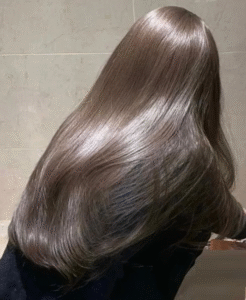
Why Hair Needs Special Care in Winter
- In the winter, the air has very little moisture. This dry air affects both the scalp and the hair strands. Frequent use of woolen caps, blow dryers, and hot water all contribute to increased dryness.
- The scalp may become flaky or inflamed, and the hair loses its luster and elasticity.
- Dry and damaged hair lacks moisture and nutrients, making it more fragile. A focused winter hair care routine is essential to prevent dullness, breakage, and hair loss.
Step 1: Regular Hair Oil Massage
- The most crucial part of winter hair care is oiling your hair. It keeps the scalp healthy and helps replenish moisture lost in chilly temperatures.
- The Significance of Hair Oiling
- hydrates the parched scalp
- fortifies the roots of hair
- minimizes split ends and breakage
- enhances the scalp’s blood flow
- Winter’s Best Oils
- For deep nourishment, use coconut oil
- Almond oil for luster and suppleness
- Olive oil for damaged and dry hair
- For strength, castor oil is combined with another oil.
- Before applying, let the oil warm up a little.
- Apply it throughout the length of your hair after gently massaging it into your scalp with circular strokes.
- For optimal effects, leave it on for at least half an hour or overnight. Hair can be kept healthy in the winter by oiling it one or two times a week.
Step 2: Use a Mild, Moisturizing Shampoo
- Using the wrong shampoo in the winter can make dry, damaged hair worse. Harsh washes destroy natural oils, making hair tough and lifeless.
- How to Choose the Best Shampoo
- Use a sulfate-free shampoo.
- Look for moisturizing ingredients like aloe vera, shea butter, keratin, and argan oil.
- Avoid using shampoos that contain harsh chemicals and alcohol.
- Suitable Cleaning Suggestions
- You should only wash your hair two or three times a week.
- Use lukewarm water rather than hot water.
- Instead of scrubbing the scalp too vigorously, give it a gentle massage.
- Because overwashing removes essential oils, washing hair less regularly helps retain moisture and reduce dryness.
Step 3: Deep Conditioning After Every Wash
- For dry and damaged hair, especially in the winter, conditioning is crucial. Conditioner retains moisture and smoothes the cuticle of the hair.
- How to Apply Conditioner Properly
- Conditioner should be applied from mid-length to ends.
- Don’t put it directly on your scalp.
- Before rinsing, leave it on for two to three minutes.
- Deep Conditioning Every Week
- Use a deep conditioning mask or hair spa treatment once a week. These treatments restore damage from environmental stress and dryness by profoundly into the hair shaft.
- Shea butter, ceramides, oils, and proteins are among the ingredients that enhance hair texture and lessen frizz.
- Hair that has been regularly conditioned is softer, easier to handle, and less likely to break.
Step 4: Minimize Heat Styling
- Hair dryers, straighteners, and curlers are examples of heat styling devices that can seriously harm already dry hair. Heat can exacerbate dryness, and hair becomes more brittle in the cold.
- The Dangers of Heat Styling
- eliminates moisture from hair
- results in split ends
- weakens the hair strands
- makes hair brittle and coarse.
- Winter-Friendly Style Advice
- Whenever possible, let your hair air dry.
- Only use heat tools when absolutely necessary.
- Prior to styling, always use a heat protectant serum.
- Make use of low heat settings.
- Reducing heat styling improves overall hair health in the winter by allowing hair to repair and hold onto natural moisture.
Step 5: Protect Hair from Cold Weather
- Similar to how they harm skin, cold air and strong winds can harm hair. An essential part of winter hair care is shielding hair from environmental stress.
- How to Keep Your Hair Safe
- When you walk outside, cover your hair with a hood, cap, or scarf.
- To lessen friction, pick caps with satin or cotton linings.
- Steer clear of extremely tight haircuts that tug on hair roots.
- Make Use of Leave-In Items
- For dry or damp hair, apply a tiny bit of hair serum or leave-in conditioner. This reduces frizz, stops moisture loss, and forms a protective layer.
- Hair damage throughout the winter can be considerably decreased with simple protective treatments.
Additional Winter Hair Care Tips
- To get rid of split ends, trim your hair every six to eight weeks.
- Don’t sleep with your hair damp.
- To avoid breakage, use a wide-tooth comb.
- Stay hydrated by consuming adequate water.
- Consume a well-balanced diet high in protein and vitamins.
- Hair care is supported internally by healthy habits.
Common Winter Hair Care Mistakes to Avoid
- Too many hair washes
- Applying hot water to hair
- Conditioner skipping
- Using styling products excessively
- Neglecting scalp care
- Steer clear of these errors to keep your hair robust and healthy.
Conclusion
- Your hair’s health and appearance can be significantly improved by adhering to the top 5 winter hair care tips for dry and damaged hair. Maintaining smooth, lustrous, and strong hair throughout the winter requires regular oiling, light cleansing, deep conditioning, limited heat style, and appropriate protection.
- Using too many products is not as crucial as being consistent. Your hair can remain healthy, silky, and damage-free all winter long with the correct regimen and a little perseverance.