
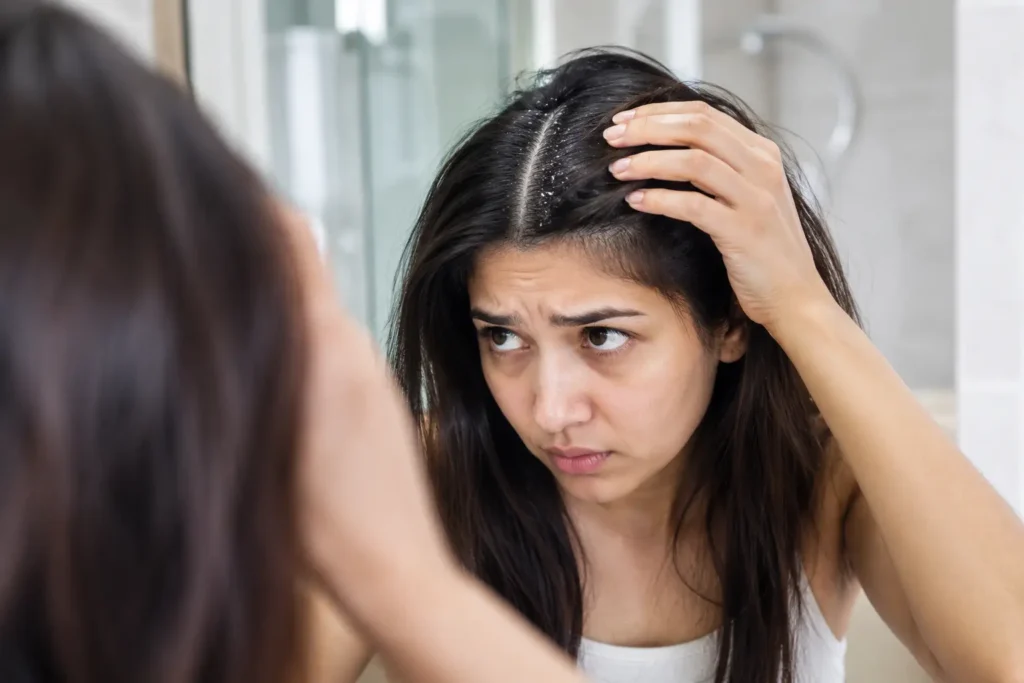
Dandruff keeps coming back for a lot of people — you use the medicated shampoo, the flakes disappear, and just when you think it’s finally over, they show up again within weeks. If this cycle feels familiar, you’re not alone. Understanding the real recurring dandruff causes is key to breaking this pattern for good, instead of switching products every few months hoping for a different result.
1. You Stopped Treatment Too Soon
The most common reason dandruff keeps coming back is stopping the shampoo right after flakes disappear. Anti-dandruff treatments manage the fungus causing flakes — they don’t cure it permanently. Without a maintenance routine, the scalp environment slowly returns to its previous state.
2. Malassezia Fungus Isn’t Fully Controlled
Dandruff is largely driven by an overgrowth of Malassezia, a yeast naturally present on the scalp. Even effective treatments only reduce it temporarily. If the product isn’t left on long enough — ideally 3–5 minutes — it doesn’t get sufficient contact time to work.
3. Product Buildup on the Scalp
Residue from shampoos, conditioners, and styling products can accumulate over time, mimicking or worsening flaking. This is a big reason dandruff treatment not working as expected, even when the formula itself is effective.
4. Underlying Dry Scalp, Not Just Dandruff
Dandruff and dry scalp often coexist but need different care. Treating only the fungal side while ignoring dryness leaves half the problem unresolved — itching continues, scratching damages the scalp barrier, and the cycle repeats.
5. Switching Products Too Frequently
Every time you change formulas, your scalp needs time to adjust. Many people abandon a treatment right when it’s about to show consistent results, usually around the four-to-six-week mark.
6. Stress and Hormonal Changes
Stress and hormonal shifts influence oil production and immune response, both of which affect flare-ups. This is one of the lesser-discussed recurring dandruff causes, since it isn’t tied to the product at all.
7. Genetics and Skin Barrier Sensitivity
Some people have a naturally weaker skin barrier, making it easier for Malassezia to trigger irritation. This individual susceptibility is why dandruff returns for some people no matter which treatment they try.
Diet and Lifestyle Also Play a Role
What you eat and how you live directly affects scalp health too. Diets high in sugar and processed foods can increase oil production, feeding the very yeast responsible for flaking. Similarly, poor sleep and dehydration weaken your skin’s natural repair process, making the scalp more reactive to irritation.
If dandruff keeps coming back despite a good hair care routine, it’s worth looking beyond the shampoo bottle — small lifestyle adjustments like better hydration, reduced sugar intake, and consistent sleep can meaningfully support your scalp’s long-term balance.
How to Stop Dandruff Permanently
A consistent scalp care routine works better than repeatedly switching products:
- Use treatment consistently, even after flakes clear (maintenance mode)
- Leave the product on scalp for the recommended time
- Avoid harsh sulphates that strip natural oils
- Manage stress and maintain a balanced diet
- Rinse thoroughly to prevent product buildup
Try Rosemary Dandruff Gel for Long-Term Scalp Balance
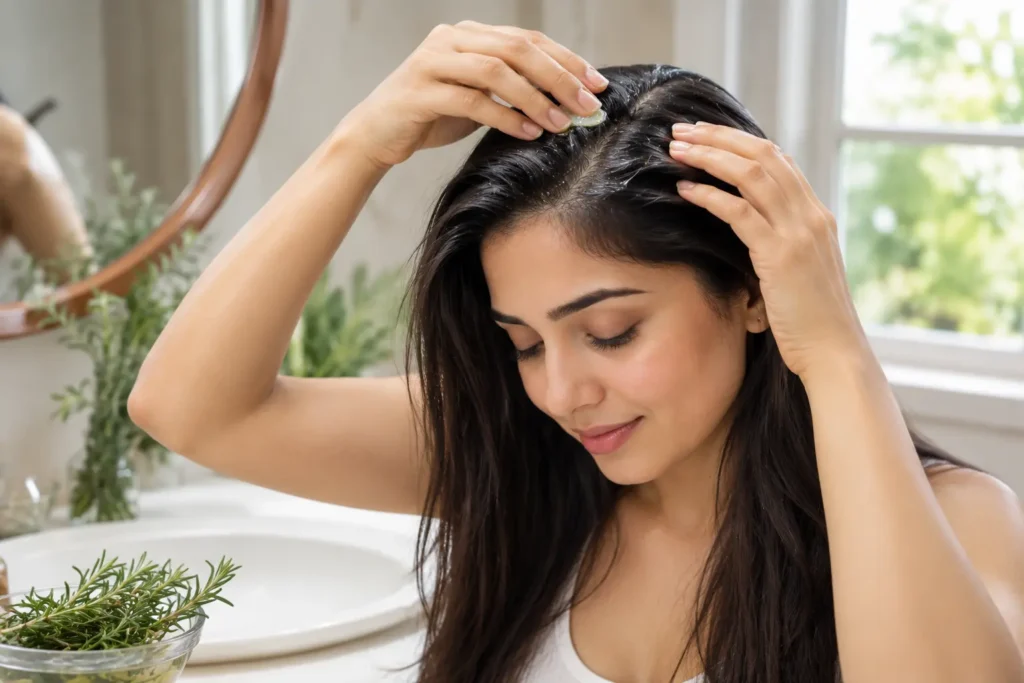
For a gentler, consistent approach, a Rosemary Dandruff Gel can be an effective addition to your routine. Rosemary is known for its natural antimicrobial and anti-inflammatory properties, which help calm an irritated scalp while supporting a healthier scalp environment where Malassezia struggles to overgrow.
Unlike harsh medicated shampoos that can dry out the scalp with prolonged use, rosemary-based gel formulations tend to work with your scalp barrier rather than stripping it. Regular use — even a few times a week as part of a maintenance routine — can help:
- Reduce flaking without over-drying the scalp
- Soothe itchiness and irritation naturally
- Support scalp balance between wash days
- Strengthen hair roots weakened by chronic flaking
This makes it a suitable option for people whose dandruff treatment [is] not working simply because their current routine is too harsh or inconsistent.
Final Thoughts
If dandruff keeps returning, it’s rarely about finding a “stronger” shampoo — it’s about consistency, proper technique, and choosing a routine your scalp can sustain long-term. Pairing a good maintenance habit with a gentler product like rosemary dandruff gel often works better than chasing quick fixes.